

Fluid management strategies are a cornerstone of scalable biopharmaceutical production, underpinning the success of processes that must adhere to the highest standards of quality, purity, and sterility. In the realm of therapeutic manufacturing, effective fluid management systems are indispensable. They ensure the precise dispensing and mixing of ingredients, maintain solution integrity, and prevent contamination—essential for meeting stringent regulatory standards set by bodies such as the FDA and EMA. Additionally, these systems are crucial for supporting scale-up activities, transitioning seamlessly from clinical trial volumes to full-scale commercial production without sacrificing product quality. They manage critical parameters like temperature and pH, and enable essential sterile conditions with techniques such as clean-in-place (CIP) and sterilize-in-place (SIP). Thus, effective fluid management not only guarantees compliance and safety but also boosts cost-effectiveness by minimizing waste and optimizing yields, a vital aspect for the economic viability of highvalue biopharmaceuticals. This article focuses on the high-level fluid management strategies that are indispensable for achieving scalable biopharmaceutical production, highlighting key considerations in system design, fluid management sourcing, regulatory compliance, and emerging trends.
Enhancing Scalability Through Strategic Production System Design
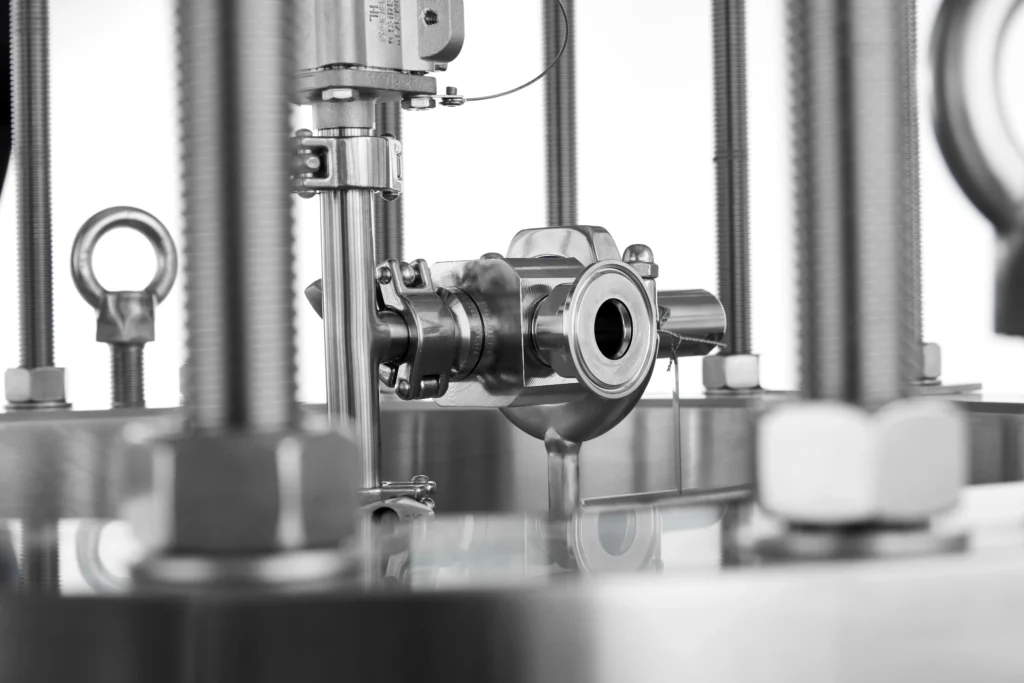
At the core of proficient fluid management within biopharmaceutical production lies a thoughtfully engineered system design. Modular design principles offer a flexible solution, allowing manufacturers the flexibility to augment and refine fluid handling capabilities in alignment as demand grows. Such designs incorporate standardized units that can be easily integrated or reconfigured, facilitating scalability and reducing downtime during transitions.
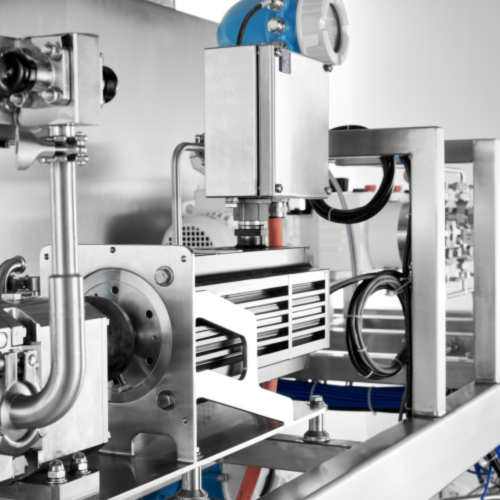
Furthermore, automation plays a crucial role in enhancing system scalability. Automated fluid management systems, equipped with advanced control mechanisms, can adapt to varying production scales, ensuring precise control over fluid flow, pressure, and composition. Asahi Kasei Bioprocess (AKB) offers several effective automated machines that help biopharmaceutical manufacturers achieve this goal such as the MOTIV® Inline Buffer Formulation technology, and THESYS™ Oligosynthesizer.1 By minimizing manual intervention, these systems increase operational efficiency, reduce the risk of errors, and maintain consistent product quality across different production scales.

The technological landscape has seen remarkable innovations that have transformed fluid management in biopharmaceutical manufacturing. Notably, Single-use systems (SUS) have emerged as a scalable and efficient paradigm. These one-time-use solutions eliminate the need for elaborate cleaning and sterilization, markedly abbreviating the interval between production cycles. Furthermore, the incorporation of SUS into your production process makes an inherently scalable operation because they can be rapidly exchanged or expanded to cater to growing production demands.
Another critical technological advancement to boost your overall production is the integration of real-time monitoring and analytics. Employing sensors coupled with data analytics platforms grants manufacturers an unprecedented level of insight into fluid management operations. A good example of this is AKB’s OCELOT™ System Control method editor which allows for an incredibly insightful process management as well as powerful post-run data analysis.2 These types of analytical systems and access to data enables adjustments to enhance production efficacy, proactively detect and address potential issues, and ensure the consistent quality of biopharmaceutical products.
Fluid Management Equipment Sourcing
In the realm of biopharmaceutical production, the sourcing of proper fluid management equipment emerges as a cornerstone for the implementation of effective fluid management strategies, particularly in the context of scalability. The selection and procurement of high-quality equipment—encompassing everything from filtration systems to bioreactors and mixers—are pivotal in ensuring the sterility, purity, and integrity of the production process. High-caliber equipment not only facilitates the seamless handling and transfer of fluids but also significantly minimizes the risk of contamination, a critical concern in the production of biologic therapies. As manufacturers aim to scale their production processes to meet the burgeoning demand for biopharmaceuticals, the reliance on robust and efficient fluid management equipment becomes indispensable. This necessity underscores the imperative for meticulous equipment sourcing, which directly impacts production efficiency, product quality, and ultimately, patient safety.
Furthermore, establishing strategic partnerships with suppliers and technology providers can significantly bolster compliance efforts. These collaborations offer access to specialized expertise and solutions tailored to meet stringent regulatory standards. Selecting partners with a proven history of excellence in the biopharmaceutical sector allows manufacturers to implement fluid management systems that not only meet global compliance requirements but also facilitate smoother regulatory clearances and faster access to markets. Such strategic alliances are instrumental in integrating scalable and compliant fluid management solutions, streamlining the path from production to market entry.

Ensuring Regulatory Compliance Amidst Scalability Efforts
Maintaining compliance with regulations during scalability initiatives is not just a matter of adhering to existing standards but also involves anticipating future regulatory changes and industry trends. As biopharmaceutical manufacturers expand their production capacities, the complexity of maintaining compliance increases. This complexity underscores the need for fluid management systems that are not only efficient and scalable but also designed with compliance in mind from the outset. Manufacturers must prioritize the selection of equipment and technologies that facilitate easy documentation, traceability of materials, and validation of processes. This proactive approach to compliance can significantly streamline the scaling process, reducing the risk of regulatory setbacks that could delay production or lead to costly penalties.
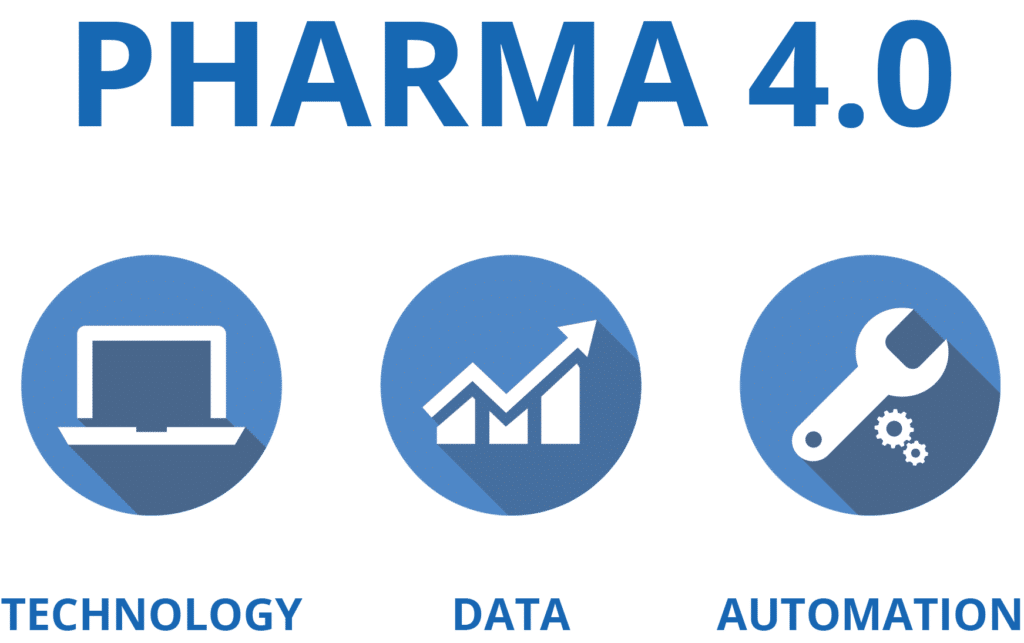
Forthcoming Trends and Regulatory Challenges in the Pharma sector spotlight the importance of data digitization and the advancements of Industry 4.0 in shifting from reactive to proactive quality management. The trend towards cloud-based electronic Quality Management Systems (eQMS) that utilize real-time data for predictive analytics, along with the need to align with FDA guidance on data integrity and quality data management, is underscored.3 This perspective highlights the imperative for biopharmaceutical manufacturers to embrace and adapt to technological innovations to maintain regulatory compliance effectively.

Navigating The Evolving Landscape of Fluid Management in Biopharmaceutical Manufacturing
Process Intensification (PI) has emerged as a transformative strategy in navigating the evolving landscape of fluid management in biopharmaceutical manufacturing. By concentrating on the strategic redesign and optimization of processes, PI significantly boosts the efficiency, sustainability, and cost-effectiveness of production. Techniques such as the miniaturization of equipment reduce material and energy consumption while minimizing the footprint of facilities, thereby lowering both capital and operating costs. Furthermore, PI integrates multiple process steps into single operations, streamlining workflows and reducing contamination risks—a crucial advantage in fluid management. Advanced automation and precise control systems further enable consistent production quality and facilitate scalability without proportionally increasing labor costs, essential for managing complex fluid dynamics in biopharmaceutical processes.
Additionally, PI’s focus on energy and resource efficiency aligns perfectly with sustainability objectives in fluid management. Innovative energy sources, such as microwave and ultrasonic energy, are utilized to enhance reaction rates and improve mixing, while systems for water and solvent recovery contribute to significant waste reduction. The adoption of novel technologies like single-use systems, continuous processing, and in-line monitoring plays a critical role in adapting to rapid changes in production demands. These technologies not only provide robust and flexible manufacturing options but also ensure compliance with environmental and safety regulations. Through its comprehensive approach, Process Intensification supports biopharmaceutical manufacturers in effectively meeting global healthcare demands while navigating the challenges posed by stringent fluid management requirements.
In conclusion, the journey towards scalable biopharmaceutical production is intricately tied to the mastery of fluid management strategies. As the industry strides forward, meeting the surging demand for biopharmaceuticals while adhering to the stringent quality and regulatory standards, the role of fluid management becomes increasingly central. This article has illuminated the pivotal aspects of fluid management, from strategic system design and the adoption of cutting-edge technologies like single-use systems and real-time analytics, to the critical importance of sourcing the right equipment and forging strategic partnerships. Moreover, it has underscored the necessity of proactive regulatory compliance, highlighting the evolving landscape of manufacturing processes influenced by technological innovations and sustainability practices. As biopharmaceutical manufacturers navigate this complex terrain, the insights and strategies discussed herein offer a roadmap for achieving scalability without compromise, ensuring that the production of life-saving biologics can meet the demands of tomorrow with efficiency, quality, and compliance at the forefront.
References
- https://fluidmgmt.ak-bio.com/product-category/inline-buffer-formulation/
- http://fluidmgmt.ak-bio.com/products/oligonucleotide-synthesis/oligosynthesizer/
- https://www.dotcompliance.com/blog/pharmaceutical-manufacturing/future-trends-and-regulatory-challenges-in-pharma/